What Are They and Are They Different?
At first glance, “fertilizer” and “fertiliser” might sound like two different products—but they serve the same purpose: both are added to soil to help plants grow better. The names are often used interchangeably, and sometimes there’s confusion because they sound different even though both aim to nourish plants.
Main Distinction: Natural vs. Manufactured
The main difference lies in where they come from. One type is derived from organic, natural sources—from plants or animals—while the other is manufactured or chemical in nature. Despite this, both can supply nutrients needed by plants.
What Is Organic Fertilizer?
Organic fertilizer includes substances from natural sources such as plant remains, animal manure, compost, and other organic materials. These are often applied directly around the plant or mixed into the soil. Organic fertilizers improve soil structure over time as they break down and release nutrients slowly.
What Is Synthetic Fertilizer?
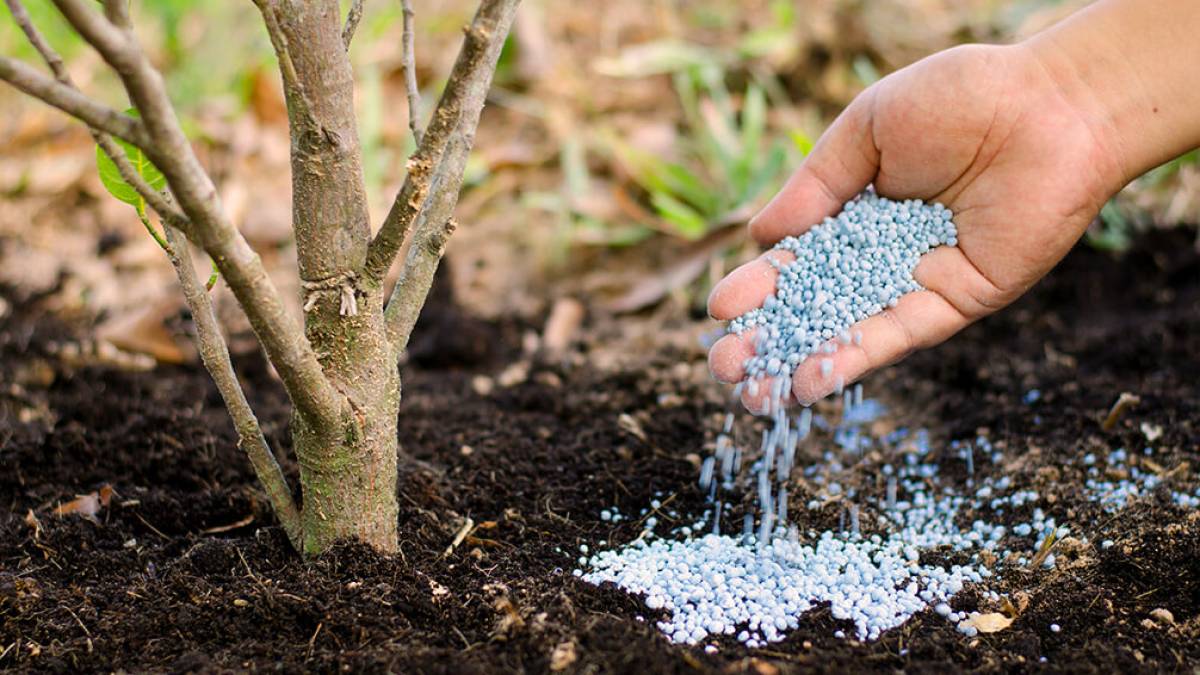
Synthetic or manufactured fertilizer is created through industrial processes and contains specific nutrients such as nitrogen (N), phosphorus (P), and potassium (K) in controlled amounts. It may be liquid, solid, or slow-release, and is designed to supply nutrients directly to plants when they need them.
How Nutrients Are Labeled
Fertilizer products often use a label like “N-P-K” to show the percentage of nitrogen, phosphorus, and potassium—three key nutrients plants need to grow.
Types of Organic Sources
Common natural fertilizers include compost (decomposed plant material), manure from herbivores, and worm castings. These help enrich the soil with nutrients and beneficial organic matter.
How to Use Them
Both natural and manufactured fertilizers can be used together to take advantage of the slow, soil-improving benefits of organic materials and the precise nutrient delivery of synthetic types. Choosing the right combination depends on the plant’s needs and growing conditions.